Pet Lifestyle
How to Make Your Home Feel More Comfortable for Your Pet
In the hustle and bustle of city life, dogs are not only our pets, but also our family and friends. They accompany us with unconditional love and endless loyalty, bringing us endless laughter and warmth. However, did you know that your dog's happiness and well-being are actually in your hands? In this era filled with warmth and love, pets have quietly become an indispensable member of many families. They are not only loyal companions, but also emotional anchors for us. Therefore, when decorating a new home, how to incorporate pet-friendly design to create a safe and comfortable living environment for them has become a focus for more and more pet owners.
Rational Space Planning and Zoning
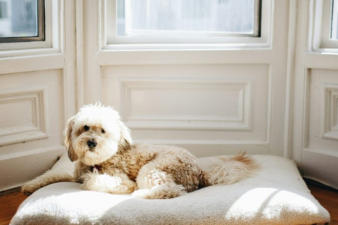
Establishing clear living areas for your pets will make them feel more secure. You can divide your home into: a sleeping area, a eating and drinking area, a toilet area, and an activity area. The sleeping area should be quiet and soft, away from noise sources such as doors and windows; the eating and drinking area should be separated from the toilet area to avoid odors affecting their appetite; the toilet area should be easy to clean and well-ventilated. The activity area should have enough space for play and training; if you have multiple pets, be sure to reserve a separate corner to prevent them from fighting over food.
Safety and Material Selection
Materials should be non-toxic, durable, and easy to clean. Common mistakes include using leftover electrical wires, plastic bags, and fragile ornaments, which are easily chewed or swallowed. Furniture corners can be protected with bumper strips, window sills should be properly secured, and balcony railings should be designed to prevent small animals from getting stuck or jumping out. Avoid placing small ornaments that may fall or poisonous plants; electrical wires should ideally be stored properly or protected with conduits. Choose pet-friendly cleaning products, ensuring adequate ventilation and allowing surfaces to dry completely before allowing pets to handle them.
Temperature, Humidity, Light, and Ventilation
Different animals have different comfort ranges, but the general principle is stability and suitability. In summer, prevent heatstroke by providing ventilation, shade, and plenty of fresh water; in winter, keep pets warm and avoid excessively cold floors. High humidity can promote fungal growth, while low humidity can cause skin and respiratory problems. Indoor lighting should follow a diurnal rhythm, bright during the day and quiet and dim at night, helping pets establish a stable sleep schedule. Ventilation should keep the air fresh, but avoid direct drafts from vents.
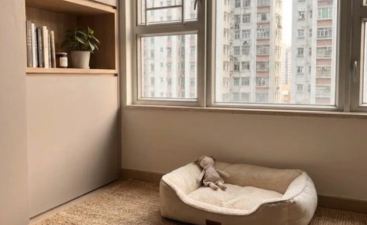
Cleaning and Hygiene Management
Maintaining a clean environment is key to disease prevention. Routine tasks include: daily cleaning of food and water bowls and waste disposal; weekly cleaning of mattresses, mats, and toys; and regular bedding changes and disinfection of habitats. Using easy-to-wash fabrics and removable mattresses can significantly reduce workload. For litter boxes, it is generally recommended to have one litter box per cat plus one extra, and to remove solid waste daily and change the litter regularly. Avoid leaving strong, pungent odors after cleaning, and ensure thorough drying afterward.
Environmental Enrichment and Mental Health
Pets need physical and mental stimulation. Providing suitable toys, chew toys, climbing frames, tunnels, etc., can reduce destructive behavior. Regularly changing or rotating toys keeps things interesting. For cats, providing vertical space, scratching posts, and hiding places helps reduce stress; for dogs, scheduled daily walks and interactive play meet their exercise needs and strengthen the human-pet bond. Training and positive rewards can improve a pet's sense of security and obedience.
A Pet-Friendly Home
- Safety First:
No dangerous items or areas, such as poisonous plants, fragile objects, sharp edges, etc. No noise, light, or odors that pets cannot tolerate.
- Comfortable Environment:
Suitable temperature, ventilation, and lighting, and provide soft mats for pets to rest on.
Sufficient Entertainment: Prevent boredom by providing toys, play space, and opportunities for interaction with your pet.
- Clean Activity Area:
Regularly clean and maintain the cleanliness of the feeding area and litter box.
- Rich Social Interaction:
Achieve this through interaction with other pets, family members, and participation in various activities.
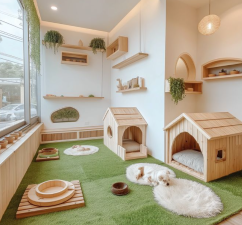
Mobility Planning
- Activity Area: Install cat and dog doors for easy passage; cat trees can be integrated into the overall design of custom furniture.
- Rest Area: Consider incorporating a pet rest area into the design of custom cabinets.
- Feeding Area: Place food bowls on easily cleanable surfaces or with a waterproof mat underneath.
- Litter Box Area: Keep the litter box a safe distance from the feeding area.
- Cleaning Area: Choose a large sink for cleaning small dogs; a dedicated dog washing basin can be provided if possible.
Custom-Made Cat Trees/Running Tracks
Safety
The structure must be sturdy enough to support the cat's weight and activity. Use high-quality, durable materials and install correctly.
Avoid placing them in dangerous locations, such as high places or near fireplaces, to prevent injury or falls.
Rounded edges and corners are essential; avoid sharp edges and protruding parts to prevent cat injuries.
Design Considerations
Plan the size and layout reasonably to avoid taking up too much space or obstructing family members' activities.
Consider the cat's habits, providing sufficient climbing and jumping space, and providing observation points, such as windowsills or elevated areas.
Consider the cat's size and abilities when setting the height and distance of the trees and running tracks to ensure easy access and use.
Provide comfortable resting areas, such as mats and beds.
Plant Safety
- Choose non-toxic plants: Choose indoor plants that are non-toxic to pets. Some plants are toxic to pets, such as spider plants and cacti; keep them away from pets.
- Prevent tipping: Choose sturdy flowerpots to prevent pets from knocking them over, such as heavy-bottomed ceramic pots or planters fixed to the ground for increased stability.
- Regular pruning: Prune plants regularly to prevent pets from ingesting them or getting tangled in the leaves.
- Avoid chemical treatments: Avoid using chemical fertilizers or pesticides. Choose organic fertilizers or natural methods for plant care to ensure the safety of both pets and plants.
- Supervise and observe: Observe your pet's interaction with the plants, promptly identify any changes in your pet's interest in the plants and make appropriate adjustments.
- Provide alternatives: Offer safe plant toys, such as cat grass, to reduce contact and damage to real plants.